Building a Versatile Casual Wardrobe: Fewer Pieces, More Outfits
How to choose a small set of clothes that all work together: a starting list, how to pick your colours, and four checks before you buy.
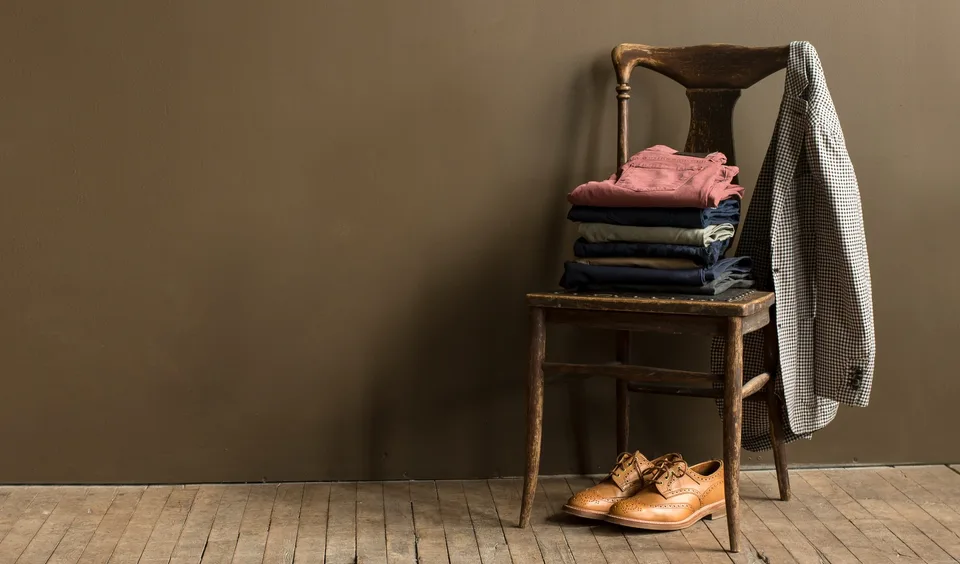
Photo: Menswear Market (Robert Sheie), via Wikimedia Commons (resized) · CC BY 2.0 — https://creativecommons.org/licenses/by/2.0/
In short: a versatile wardrobe is a small set of clothes that all go with each other. Choose a few neutral colours, buy pieces that work in more than one setting, and add colour through one or two items. Ten to twelve well-chosen pieces can produce dozens of outfits.
Why fewer, better-matched pieces work
The arithmetic is simple. Three tops that go with three pairs of trousers make nine outfits. Add two layers that work over every top and you have many more — without buying anything that only goes with one other thing. The aim is not to own less for its own sake; it is to make getting dressed easy.
A starting list
- Tops: two or three polos, two plain T-shirts and one casual shirt.
- Trousers: dark jeans, a pair of chinos and, for warm weather, tailored shorts.
- Layers: a lightweight jacket and a fine-knit jumper or overshirt.
- Shoes: plain trainers and a pair of loafers or other leather shoes.
Adjust the list to your own life: a hot climate needs fewer layers, and an office with a dress code needs more shirts.
Choose your colours before your clothes
Pick two or three neutrals for the things you wear most — trousers, jackets and shoes. Navy, grey, beige and dark denim all combine with each other. Then choose one or two accent colours for tops. Because the base is neutral, any accent will match it.
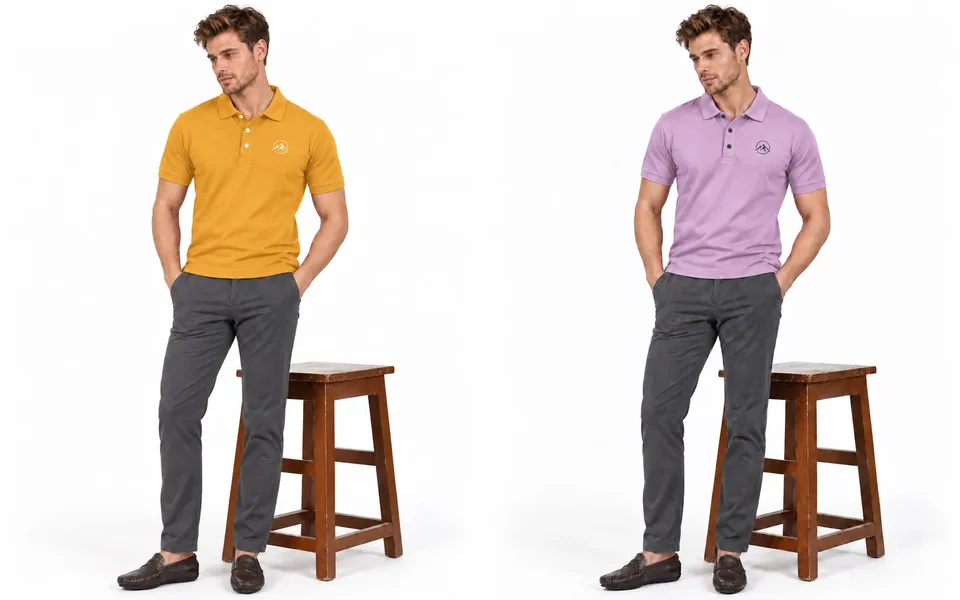
Polos are an easy place to add that colour. A beige polo behaves as a neutral; lavender, mustard yellow or red act as the accent. Our colour guide goes through each shade.
Where a polo fits in
A polo earns its place because it covers the gap between a T-shirt and a shirt: relaxed enough for a weekend, tidy enough for a casual office or dinner. The same polo works with jeans, chinos and shorts, which is exactly what a small wardrobe needs. For specific combinations, see how to style a polo shirt.
Four checks before you buy anything
- Does it go with at least three things you already own?
- Does it fit now? Not after alterations you may never get round to. Our fit checklist helps.
- Where will you wear it? Name at least two real occasions.
- Can you look after it? Read the care label first — a garment that needs special cleaning gets worn less.
Make it last
Clothes you wear often need a little care: follow the label, fold knitwear instead of hanging it, and give shoes a day's rest between wears. Replacing one worn-out favourite is easier than rebuilding a wardrobe.
Frequently asked questions
How many clothes do I need for a casual wardrobe?
There is no correct number. As a starting point, ten to twelve pieces that all combine — around six tops, three pairs of trousers, two layers and two pairs of shoes — covers most weeks.
Which colours are the most versatile?
Neutrals such as navy, grey, beige and dark denim, because they combine with each other and with almost any accent colour.
Are polo shirts smart-casual?
Yes, when worn with chinos or tailored trousers and proper shoes.
How many polos should I own?
Two or three is plenty to start: one neutral and one or two colours you enjoy wearing.
Have a question about the Mountain Explora collection? Send us an enquiry — we reply personally.